Universal Aesthetic Alignment
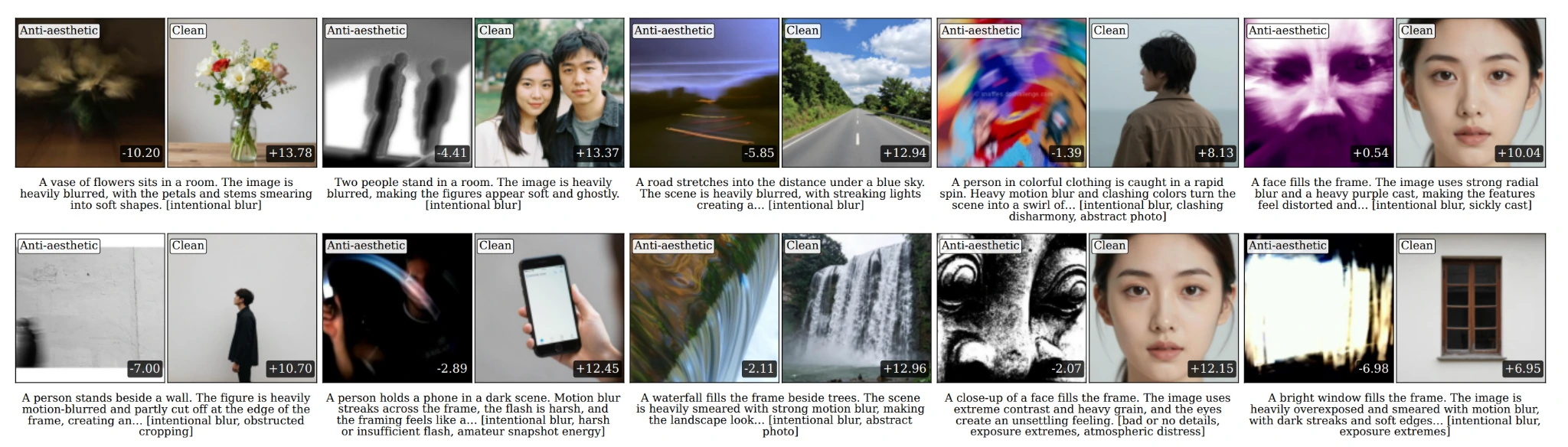
A position paper and benchmark study showing how image generators and reward models can override requests for unconventional, abstract, or deliberately anti-aesthetic imagery.
Projects
Explore selected CVI Lab research connecting computational innovation with challenging visual, spatial, and multimodal problems.

A position paper and benchmark study showing how image generators and reward models can override requests for unconventional, abstract, or deliberately anti-aesthetic imagery.
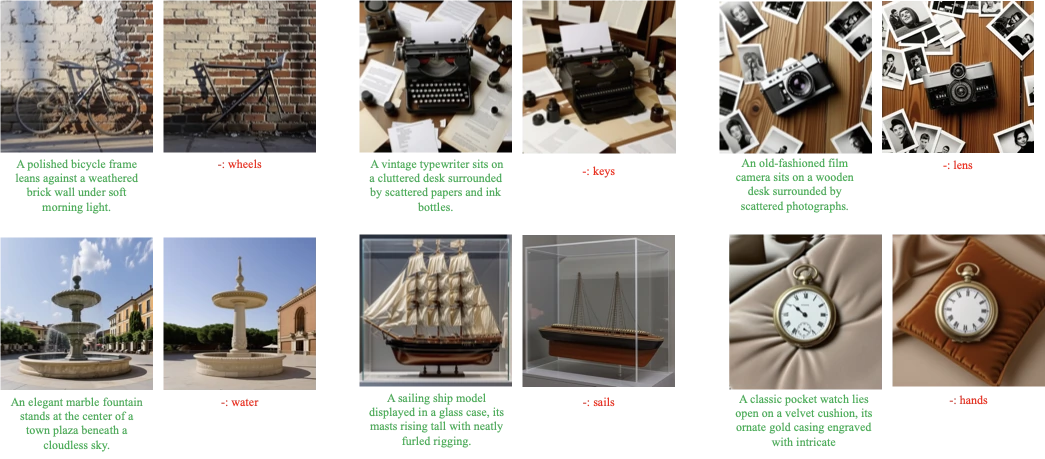
A lightweight negative-prompt guidance method that suppresses unwanted concepts by flipping attention value vectors, without retraining the generation model.

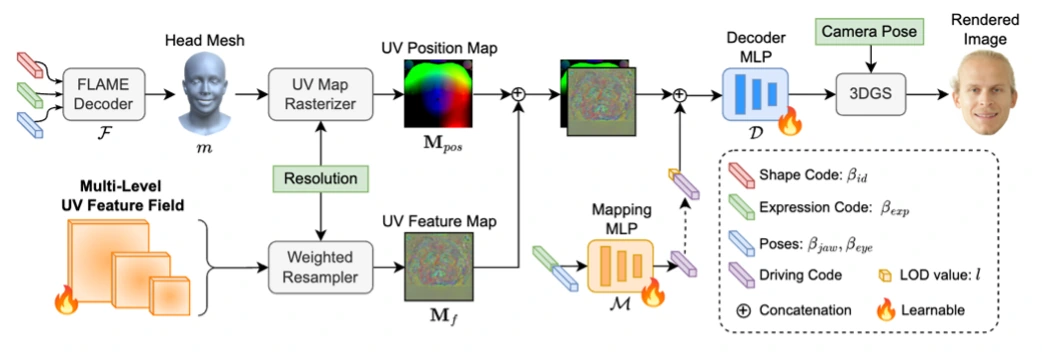
A 3D Gaussian head-avatar framework with continuous level-of-detail control, balancing visual quality against rendering cost without retraining.

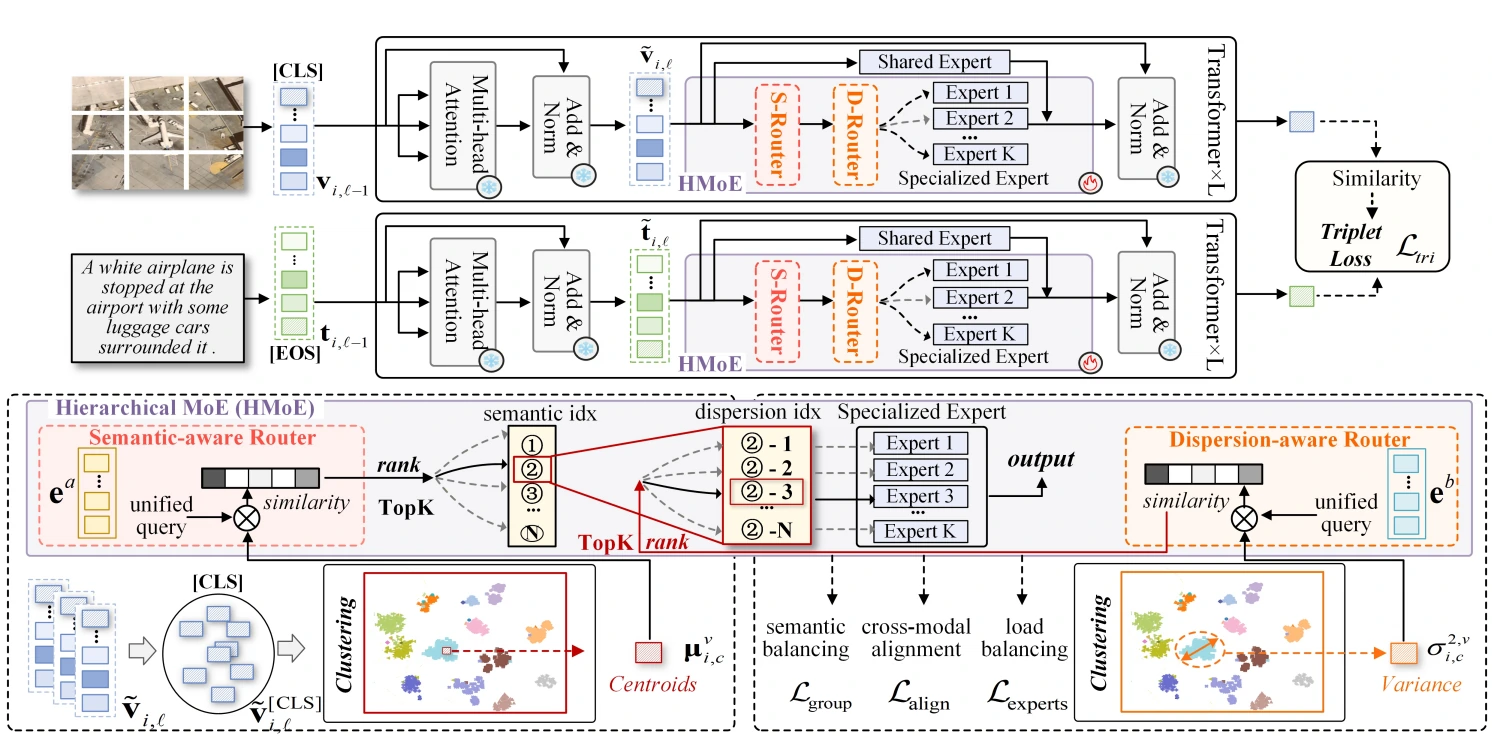
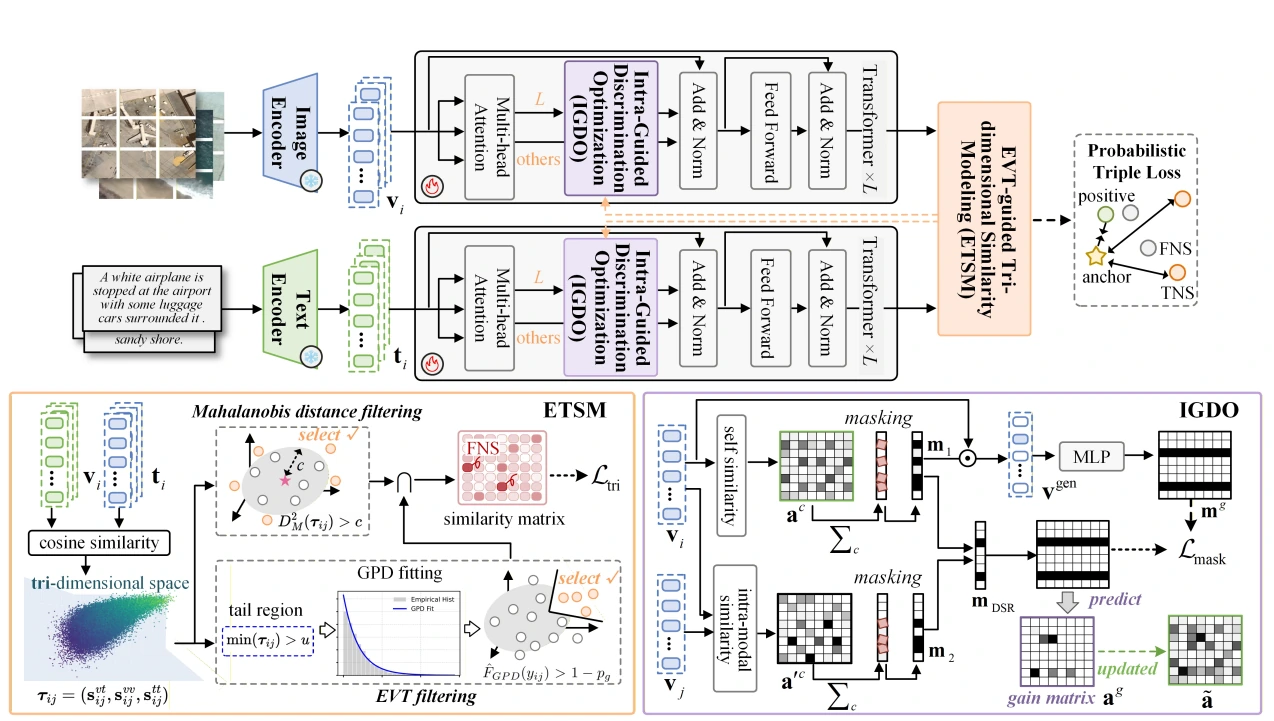
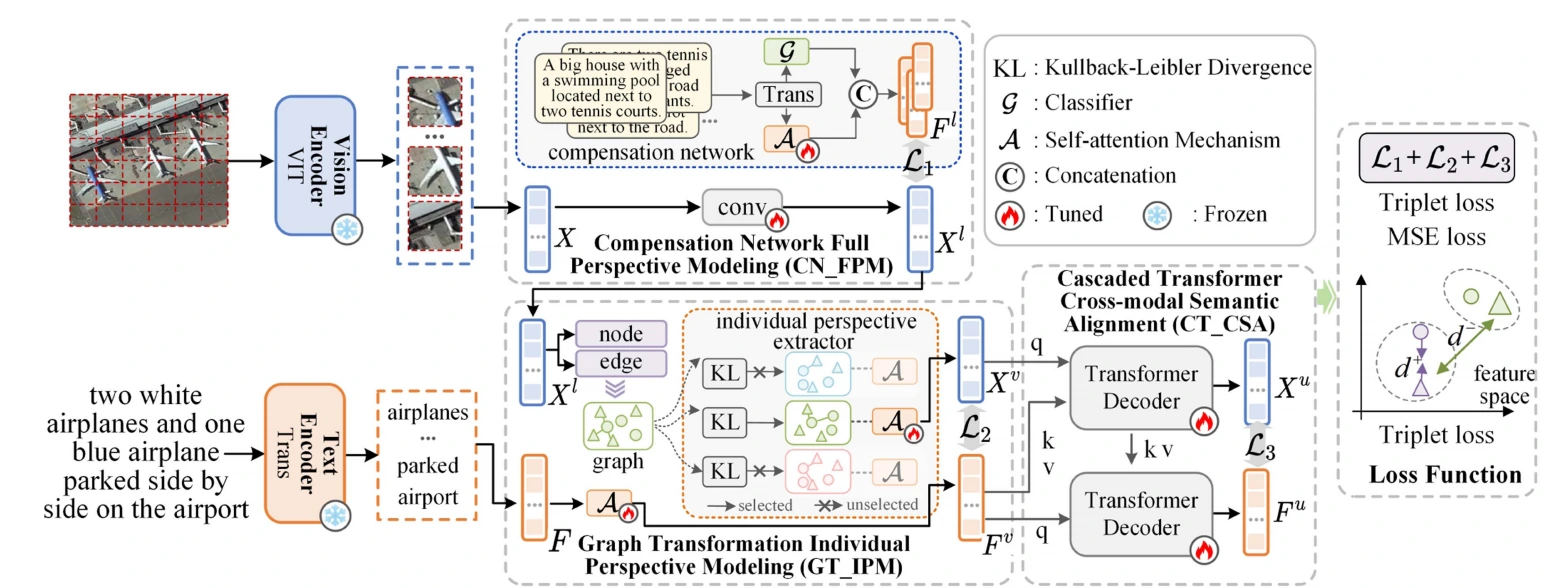
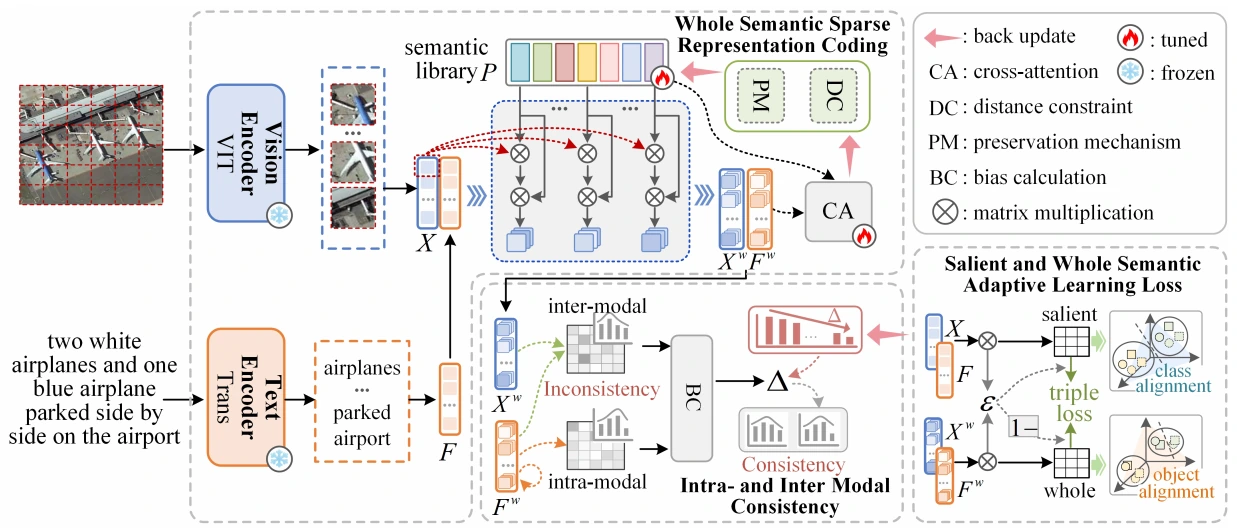
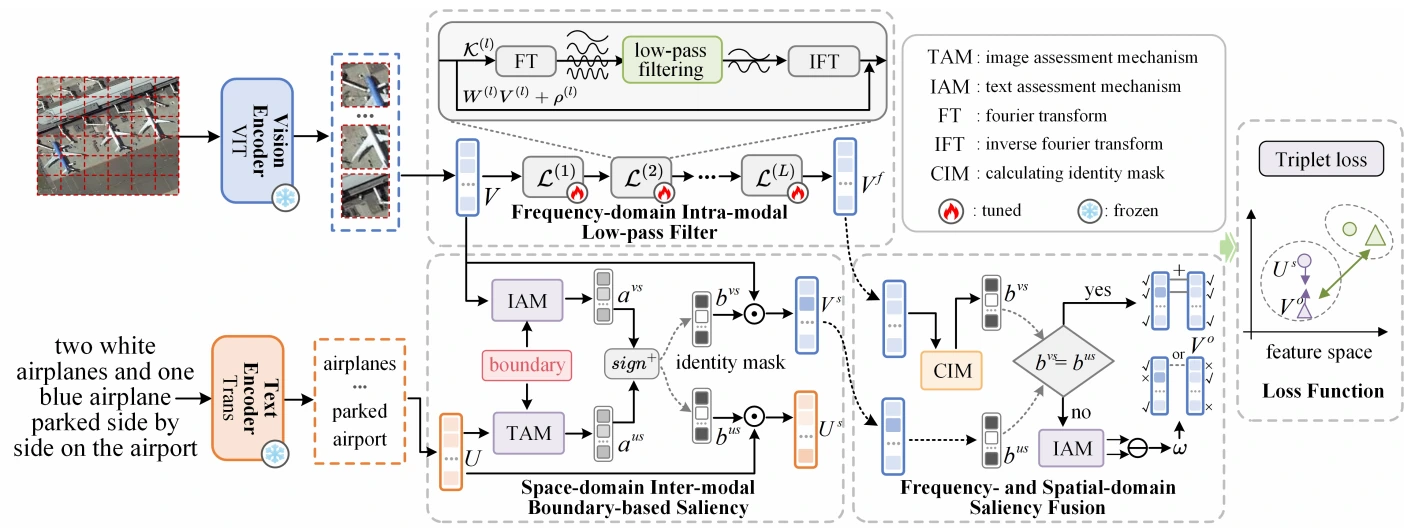
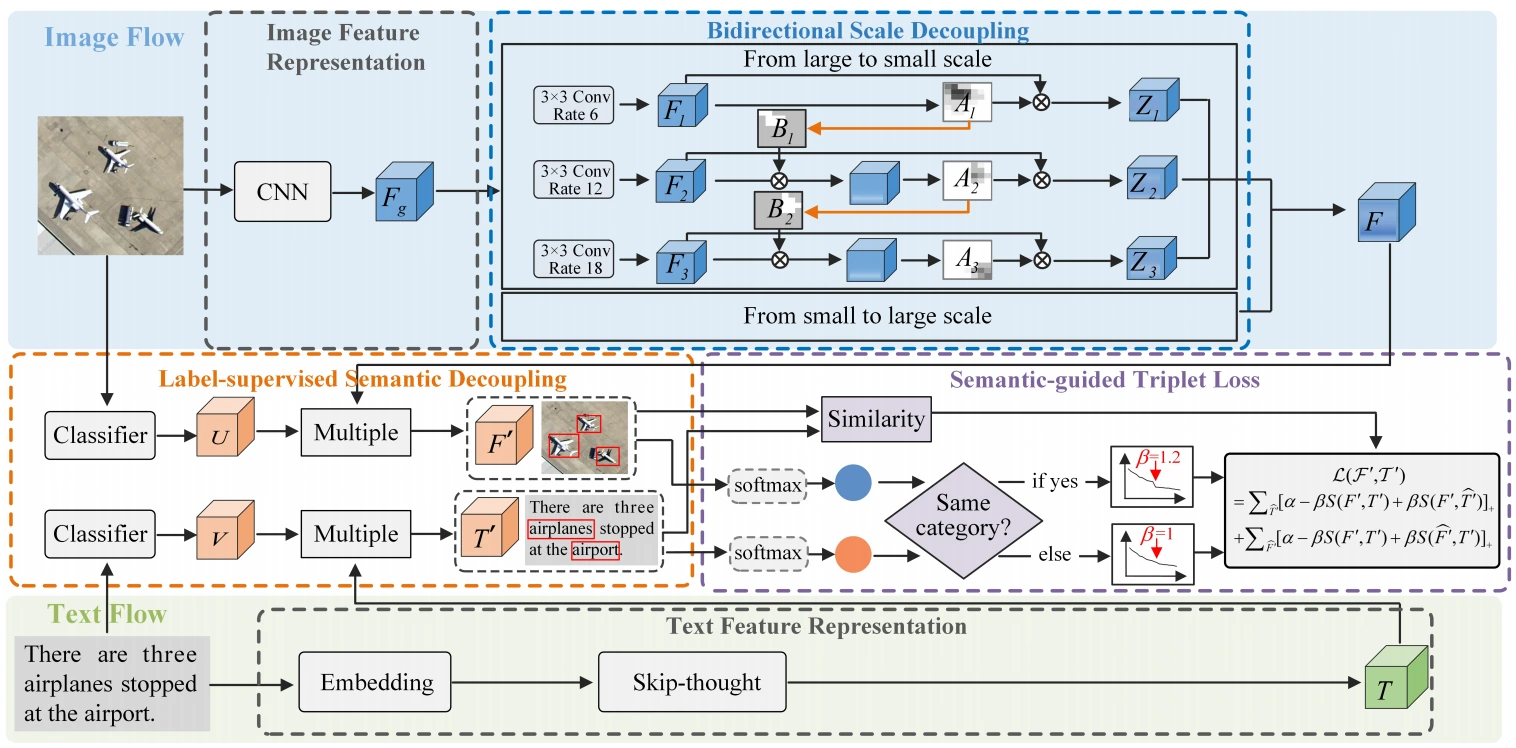
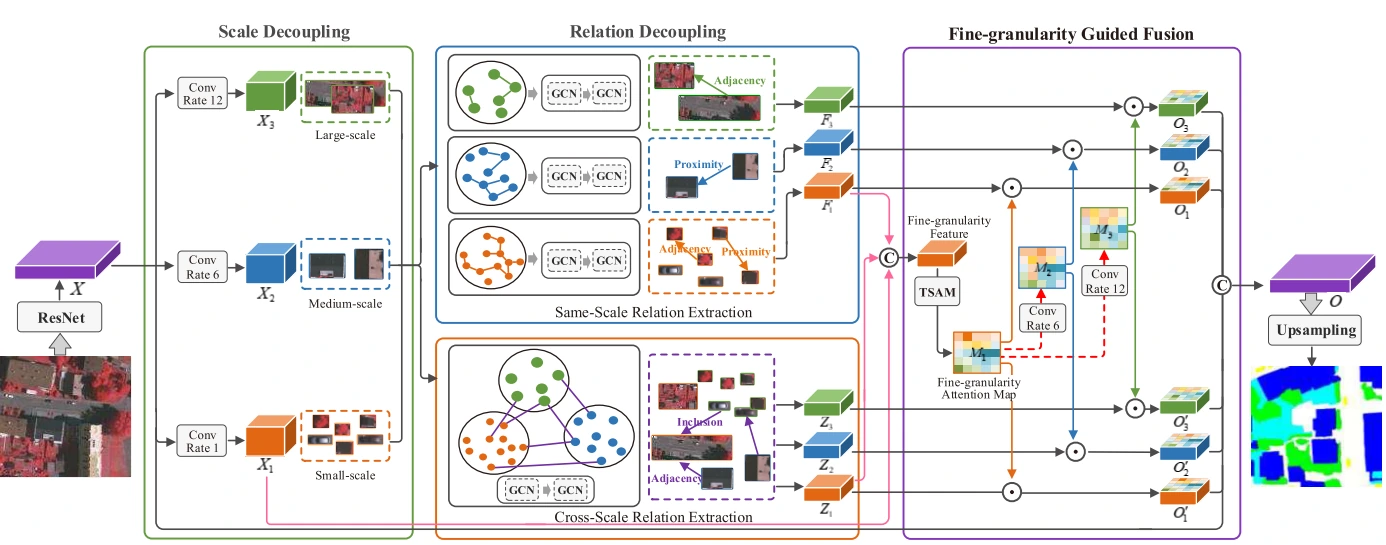
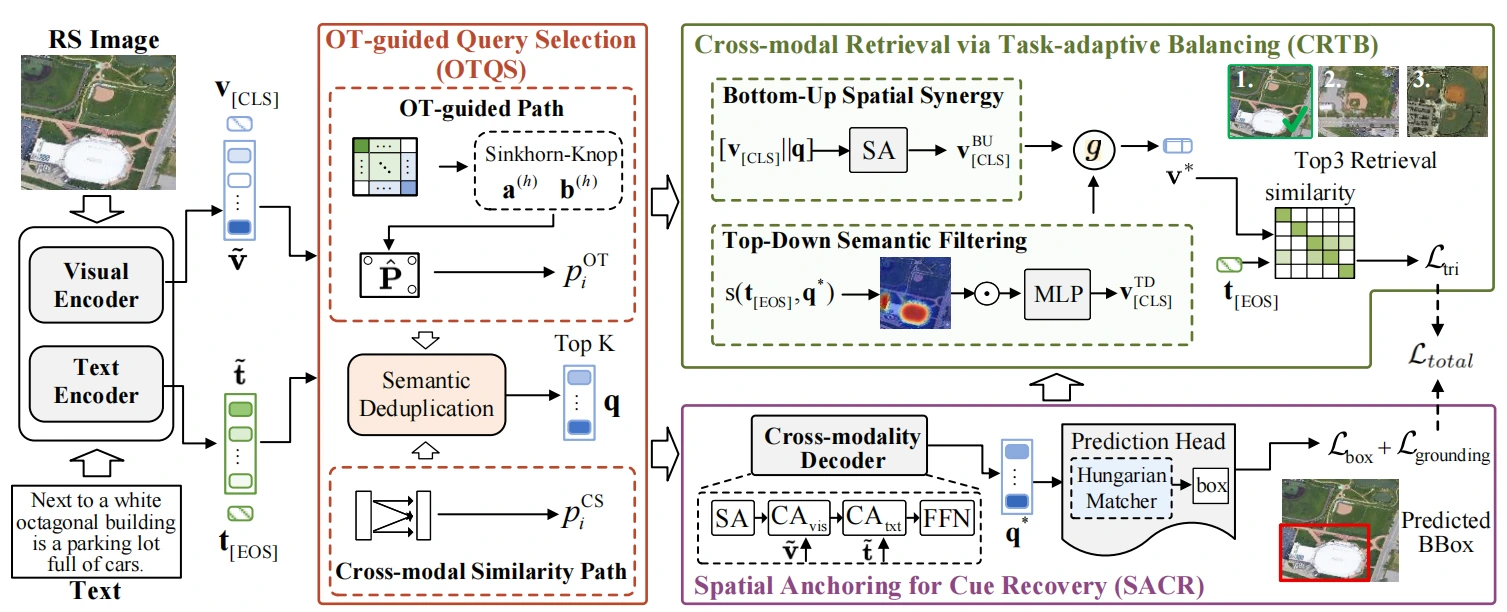
A remote-sensing retrieval framework that models image–image, image–text, and text–text similarities to identify and reduce false-negative training signals.

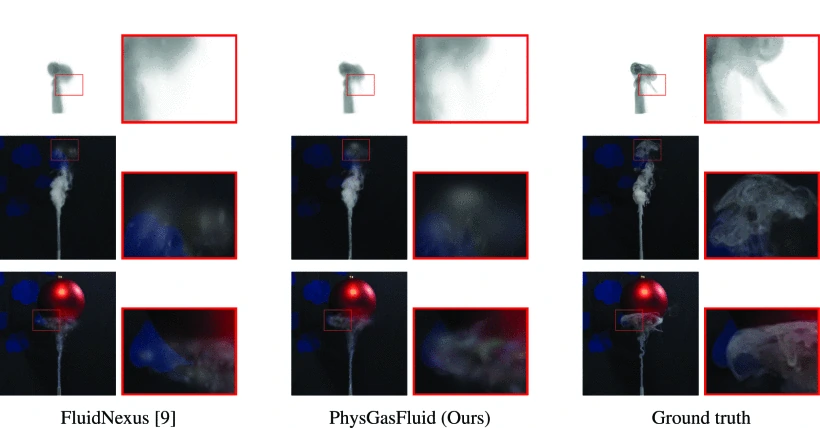
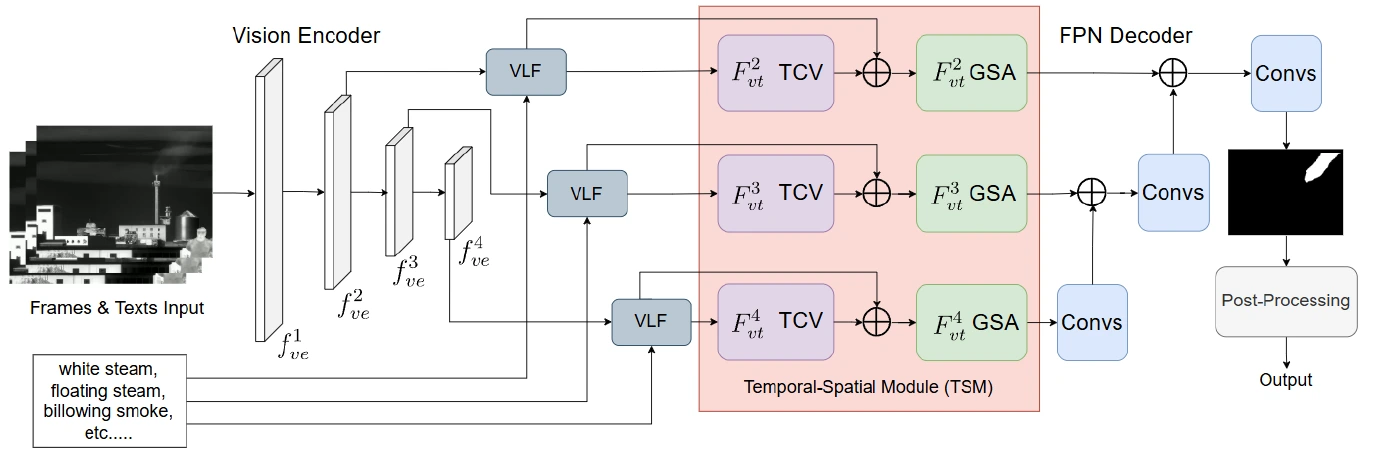
A vision–language system that combines video evidence and text prompts to segment gas leaks under supervised and limited-data settings.
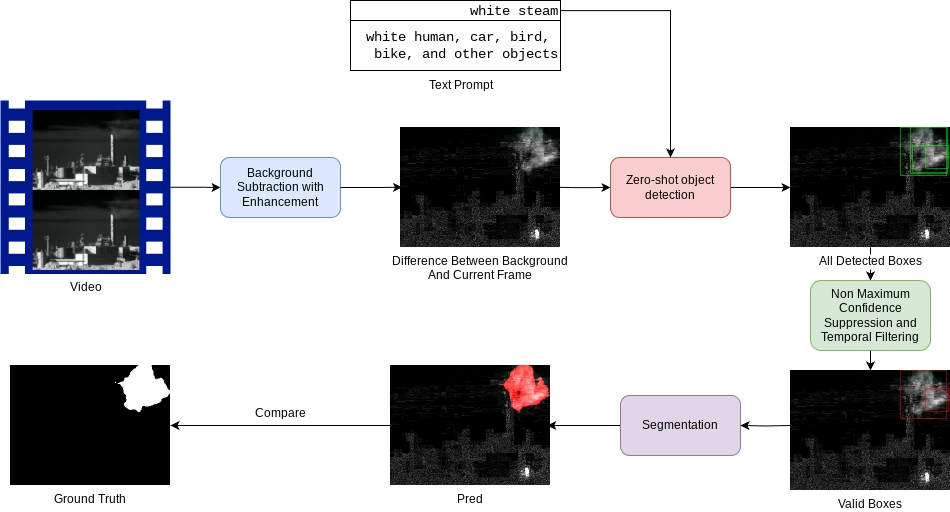
A zero-shot gas-leak detection pipeline and synthetic benchmark that combine background subtraction, language-guided object filtering, and promptable segmentation.

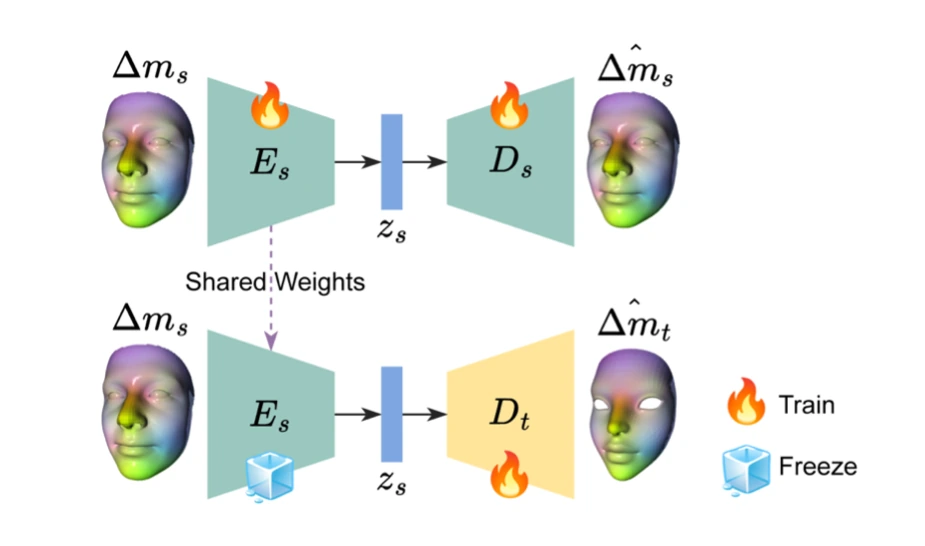
A learning-based deformation-transfer method that stylizes new 3D faces from a single artist-created style template without paired training data.

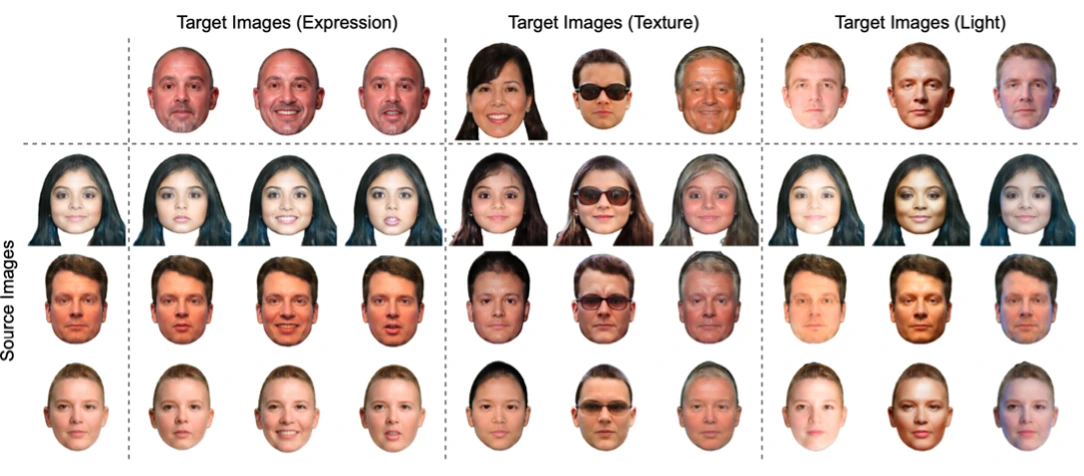
A style-based neural 3D morphable model trained on in-the-wild images for controllable, photorealistic face reconstruction and editing.

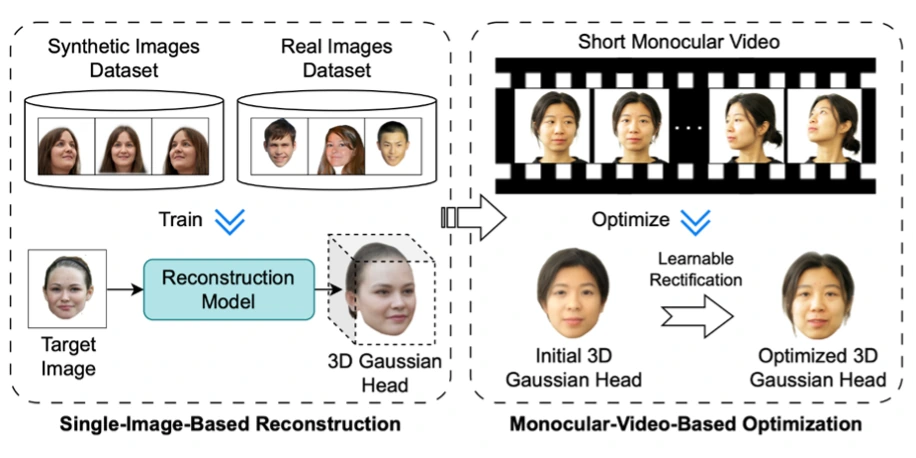
A 3D Gaussian head-avatar method designed to accelerate personalization while improving controllability and photorealistic rendering.
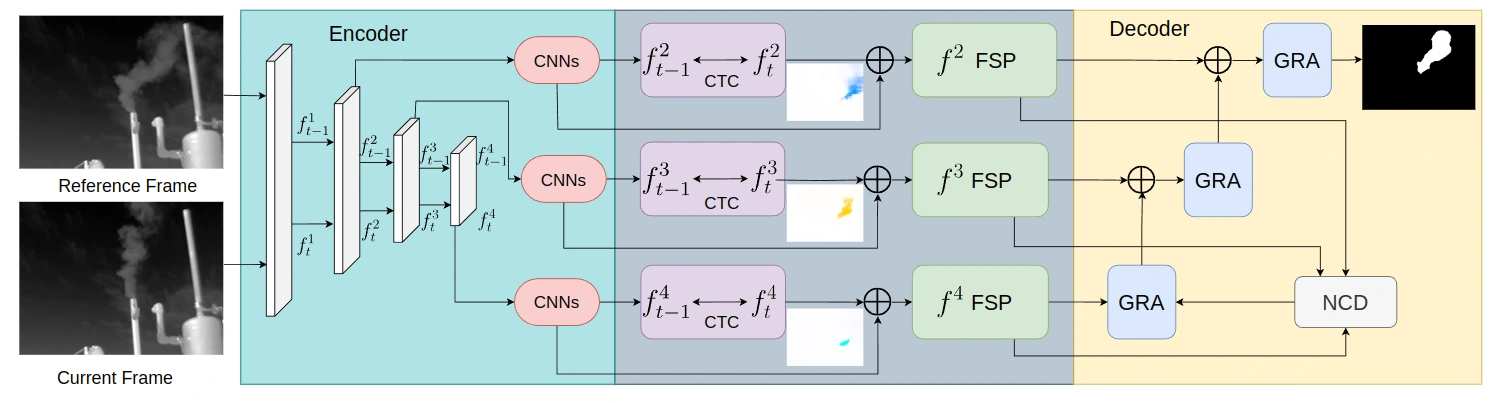
A video segmentation framework that combines motion correlations with fine-grained spatial refinement to recover faint gas plumes and their boundaries.

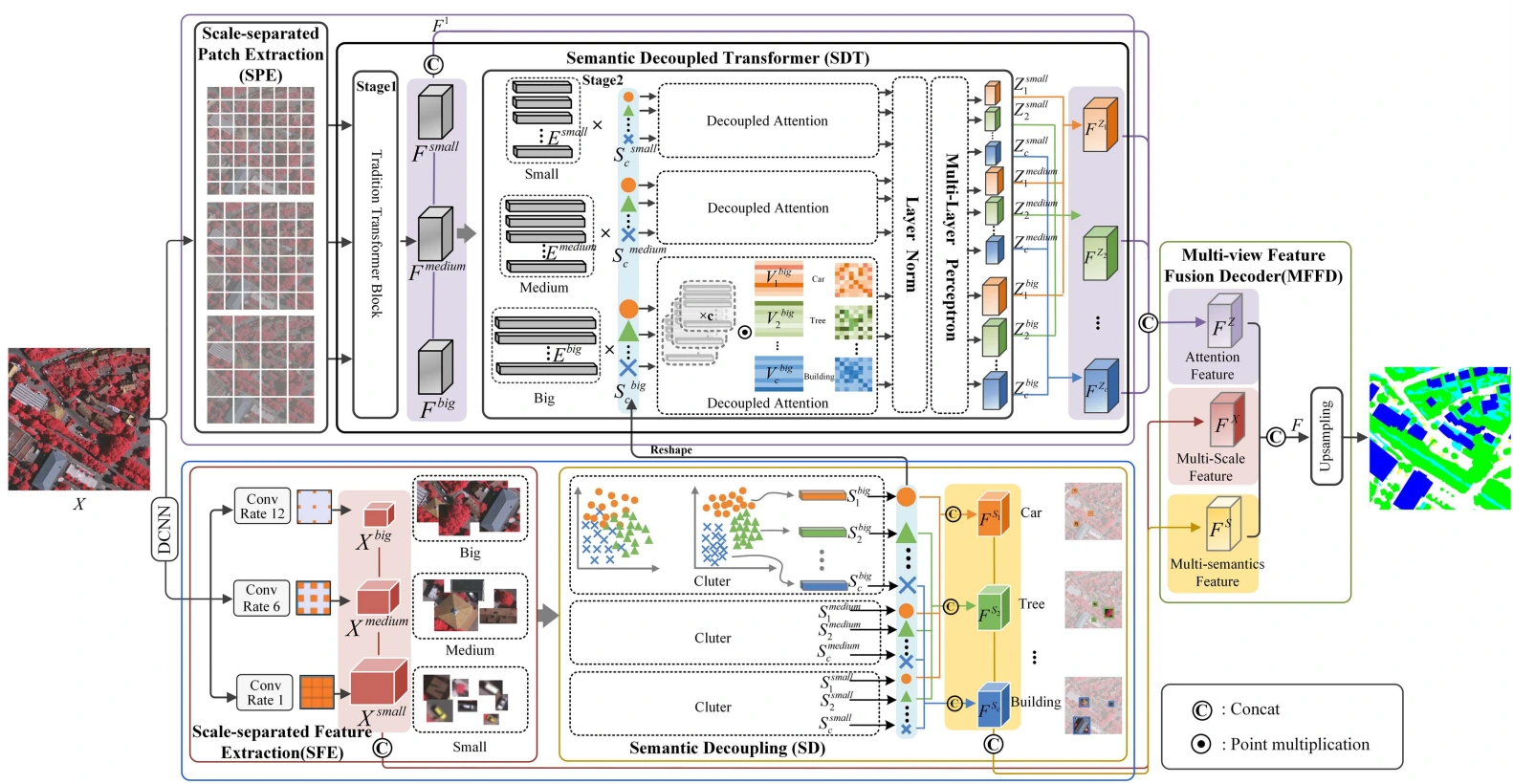
A progressive matching network that models multiple geographic perspectives and aligns remote-sensing images with textual queries.

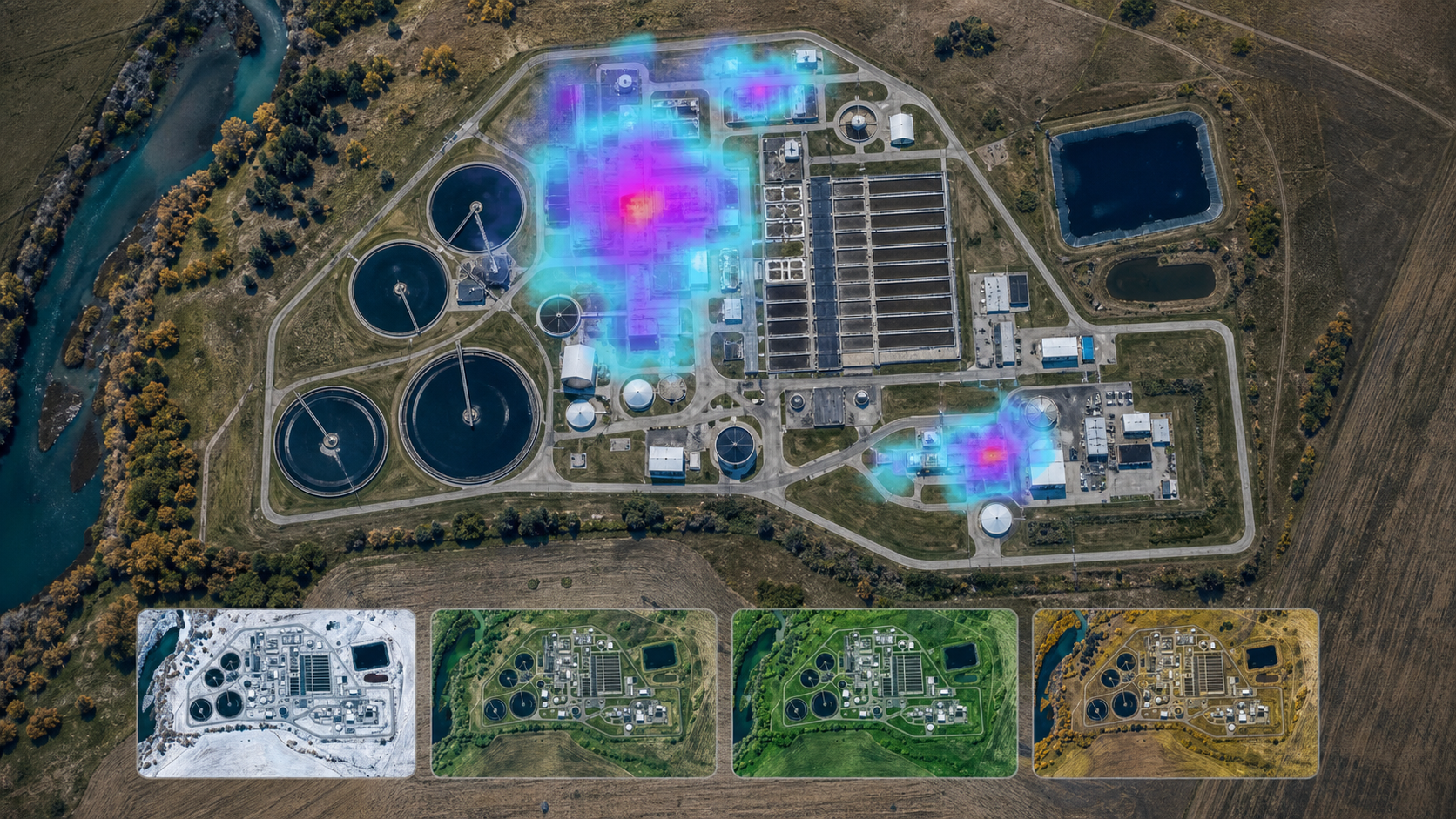
A five-year satellite study of methane concentration patterns over a wastewater treatment plant, including temporal variation and emission-hotspot analysis.

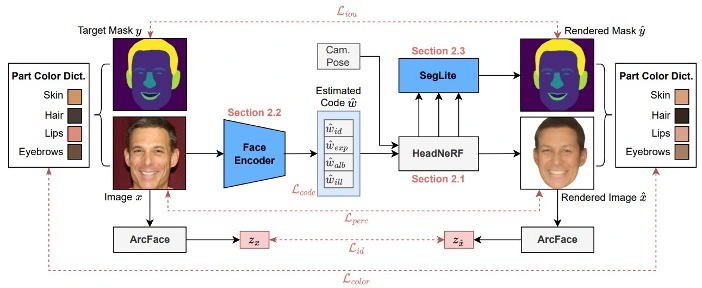
An encoder-based reconstruction framework that predicts disentangled HeadNeRF features directly and adds semantic facial-part supervision.

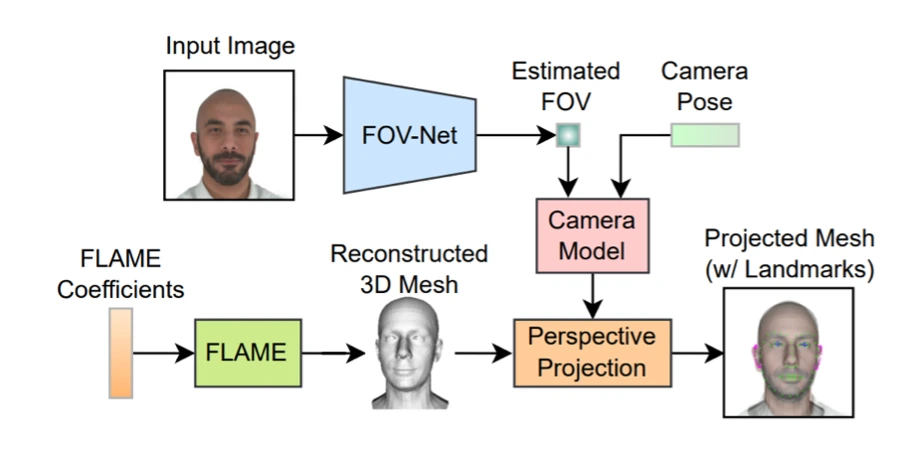
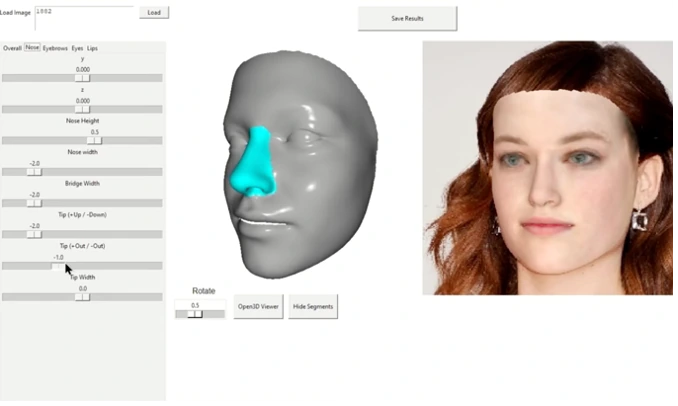
A semantic part-based face model that makes reconstructed 3D faces locally editable while improving their alignment to a source image.